Start broad
Start with a city or region, not an exact address.
Nearby dating can begin with a city or region. It does not require a residential address, a postcode or any live location signal to become useful.
A practical local range depends on population density, travel time and how far you would genuinely go for a first meeting. Distance can narrow results, but it cannot tell you whether someone wants the same kind of relationship or behaves with respect.
Start with a city or region, not an exact address.
Choose a distance you could realistically travel.
Review intentions before treating someone as a local match.
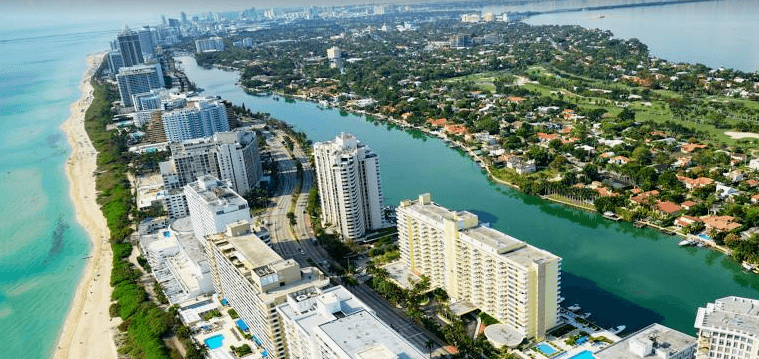
On this site, there is no confirmed real-time GPS, map view or city search tool to define local results for you. That means “near me” should be read as a practical dating idea, not as proof that someone is standing a few streets away.
When adults look for local trans dating, the useful question is not whether a platform knows an exact location. The useful question is whether a city, district or region is close enough to turn messages into a realistic public meeting.
| Range | What it means | When it is useful | Privacy consideration |
|---|---|---|---|
| Same neighbourhood | An area close to your daily routine, but not something you should prove with an address. | Useful only when both people already know the same public part of town is easy to reach. | Keep it vague. A neighbourhood can reveal too much in a small local scene. |
| Same city | Both people can reasonably meet in the same city without turning the date into a trip. | This is often the best starting point for local transgender dating because it balances privacy with practicality. | City-level detail is usually enough for planning a public meeting area. |
| Nearby cities | A short train, drive or public transport route between two cities that still allows ordinary meetups. | Useful when your immediate city has few suitable profiles but nearby transport is straightforward. | Talk about travel time and meeting area, not home location. |
| Regional search | A wider area that covers multiple towns or cities within a region. | Useful in sparse areas where limiting the search too early leaves very little to compare. | The wider the region, the safer it is for privacy, but the less “local” the result may feel in practice. |
There is no single right radius for local trans dating. The better choice depends on where you live, how you travel and how often you would genuinely meet if the conversation goes well.
Ten miles in one city may be easier than three miles in another. Travel time matters more than a number on a profile.
A shorter radius may already cover many neighbourhoods, but traffic, transfers and crowded routes can still make a “nearby” profile hard to meet.
A wider area may still count as local if both people can reach the same public place without turning the date into an all-day plan.
A town-based search may be too narrow. In smaller areas, a regional range is often more realistic than waiting for the perfect result inside one postcode.
Nearby cities in another county or region may be easier than people who are technically closer but harder to reach through local roads or transit lines.
If you rely on one train line, late buses or daytime travel, your real dating radius may be smaller than the map suggests.
That can justify a wider first search, but it still helps to treat initial meetings as local only if both people can meet without a major travel burden.
Living close by does not tell you whether someone wants a long-term relationship, a slower introduction or something much lighter. Read intention before treating distance as the main point.
Two people can live in the same area and still be impossible to meet. Work patterns, family responsibilities and travel schedules matter more than a short radius.
Some local matches want to meet soon. Others need time, regular messages or a clearer sense of comfort first. Nearby does not mean ready at the same pace.
There are several ordinary reasons this can happen even without any sophisticated local search system. Local profiles may be limited, preference ranges may be broad rather than absolute, and some profiles may describe location loosely or only at city level.
Travel, moves between cities, centre-point estimates and the fact that this project does not show a confirmed real-time location feature can all make someone appear local enough to notice while still living farther out than you expected.
For most adults, city-level detail is enough. You do not need to publish a residential district, employer, building entrance or the route you take every day just to show that you are local.
This matters even more in smaller local scenes, where a job title, a recognisable photo background and one specific area can identify a person quickly. If you are not publicly out, review what your profile reveals before assuming city-level information is harmless.
Ask about what can be done in public, not what can be proven in private. A real local match should usually be able to talk about a practical meeting area, a normal commuting method and the times of day that actually work for them.
Consistency matters more than landmark trivia. Someone can look up a station, shopping street or cafe online, so familiarity with a place does not prove identity or residency on its own.
“I’m usually comfortable meeting around the city centre. Is that practical for you, or would another public area be easier?”
When local options feel thin, widen carefully rather than all at once. The order matters because the first adjustments should protect what matters most to you instead of throwing every preference away.
Being local only solves one part of the puzzle. A workable first meeting still needs simple agreements that respect privacy, visibility and comfort in public.
These questions matter in local dating because the chance of being recognised can be higher than on a date in another city.
Being nearby does not make an account trustworthy.
These answers stay focused on local range, privacy and practical next steps.
No. A local search should begin with a city or region, not a home address or live pin. Near you can describe a broad area without exposing your routine.
Choose a range you could realistically travel on a normal day. Travel time, transport options and how often you want to meet matter more than one fixed number.
Local options may be limited, location details may be broad, or nearby cities may fall inside a wider search area. That does not automatically mean anyone is using real-time location.
No. A postcode can narrow your location too far. It is usually enough to discuss a public meeting area and whether that part of town works for both people.
Ask about a practical public meeting area, commuting habits and when they are usually free. Consistency across city, time zone and routine matters more than asking for an address.
Keep your core dating intention, widen the radius a little, review age and interest filters, and consider nearby cities before treating the search as long-distance dating.
Choose a city or region you can realistically reach, then look beyond distance to intentions, availability and respect.